

What happened?
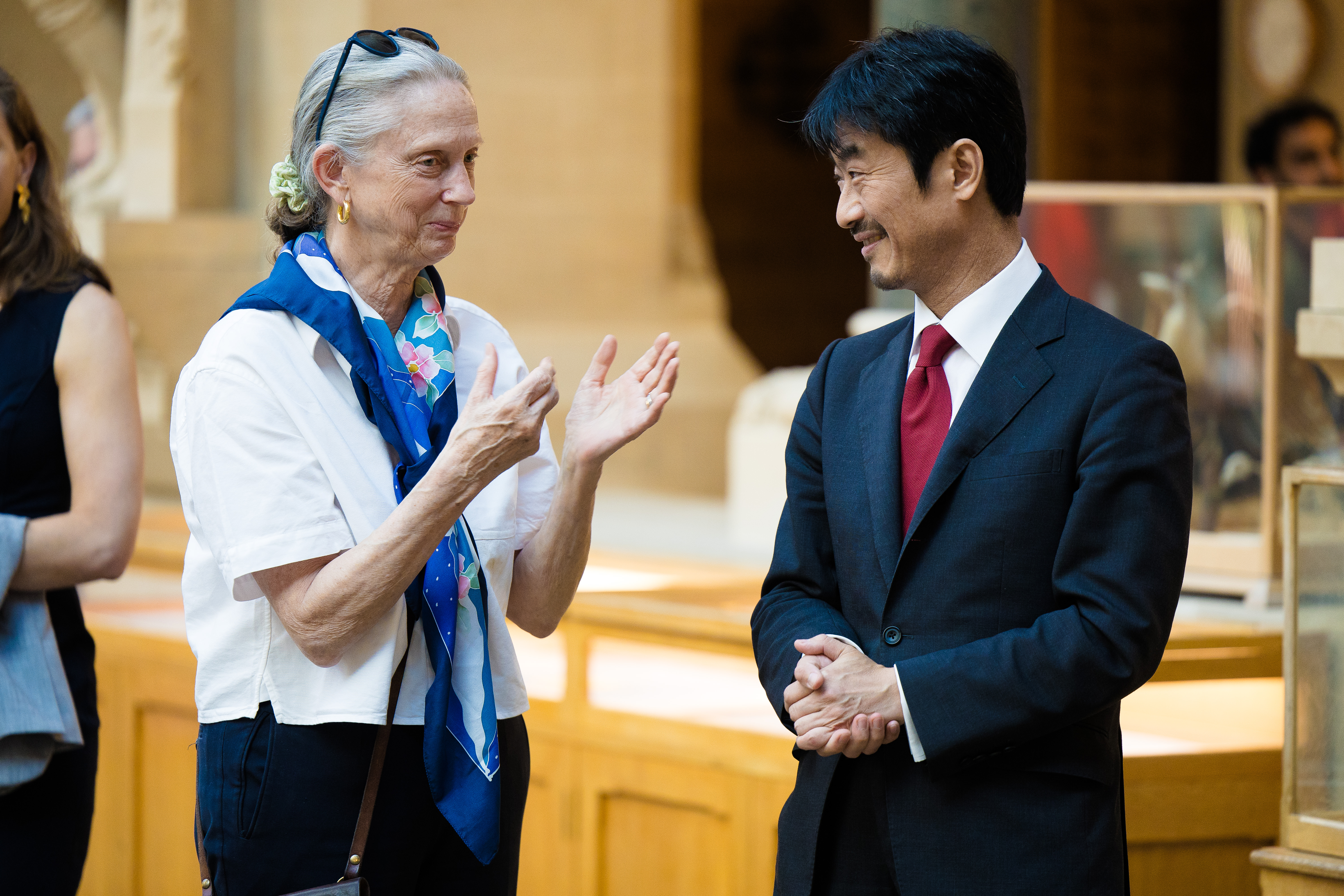 For eight weeks in trinity Term 2026, ten serving practitioners stepped aside from their operational roles and became Fellows - immersing themselves in Oxford's academic community. They participated in policy-relevant research on issues including peacekeeping, conflict prevention and political missions. Supported by academic mentors from across Oxford and elsewhere, they were given access to DPIR's extensive research networks to examine some of the most pressing questions facing contemporary peace operations, while drawing on their own professional experiences from the field.
Why is this significant?
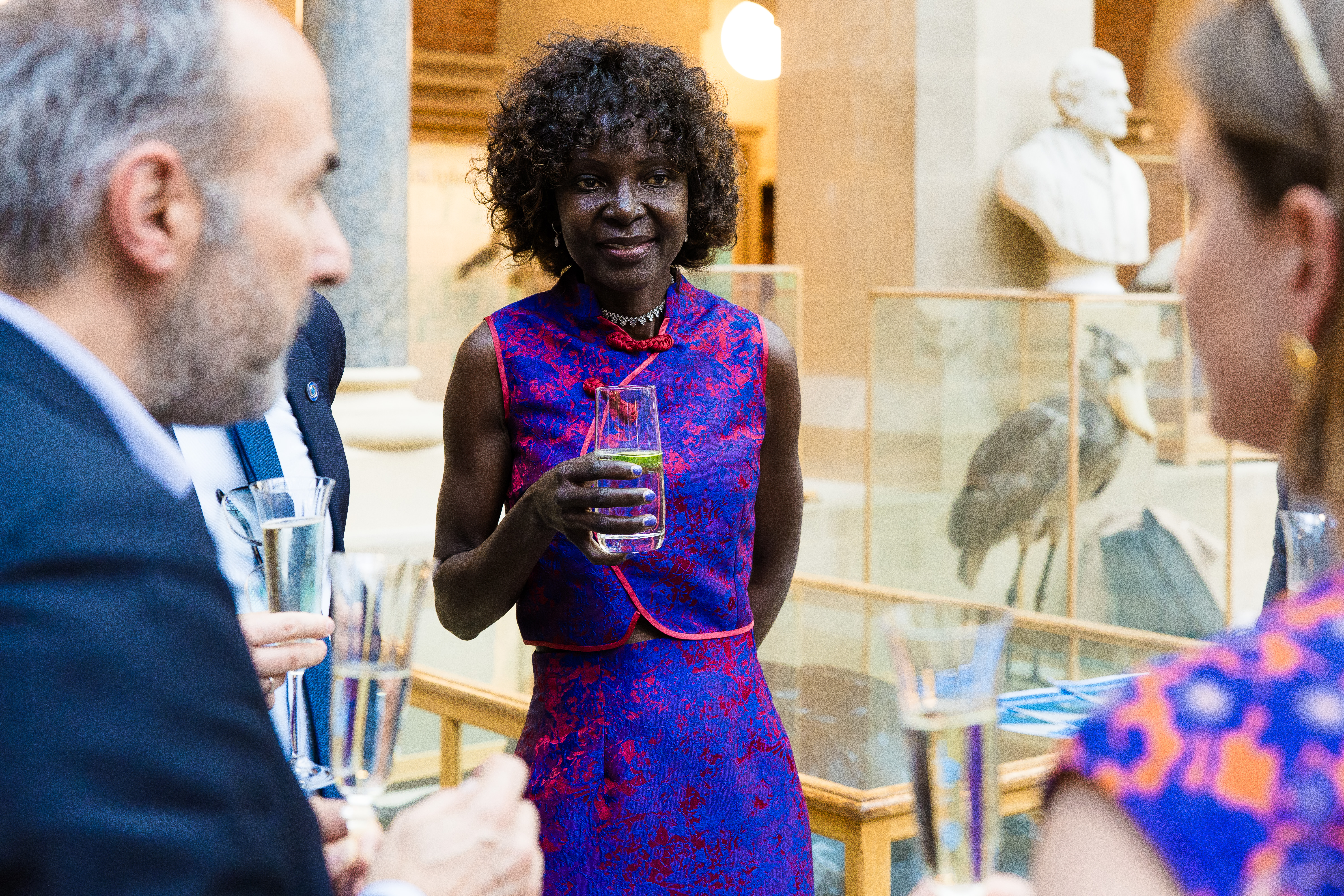
What distinguished the Fellowship was its emphasis on practitioner-scholar exchange. Rather than treating academic research and policy implementation as separate worlds, the programme sought to bring them together. Fellows shared insights from their work across UN missions and headquarters, enriching scholarly discussions, departmental seminars and informal conversations alike. In turn, they benefited from engagement with leading scholars and students whose research offers fresh perspectives on the challenges confronting international organisations today.
What was the end result?
The result was a dynamic environment where theory and practice informed one another. The Fellowship demonstrated the value of creating spaces where practitioners can reflect on their work, challenge assumptions and explore new approaches to persistent global challenges.
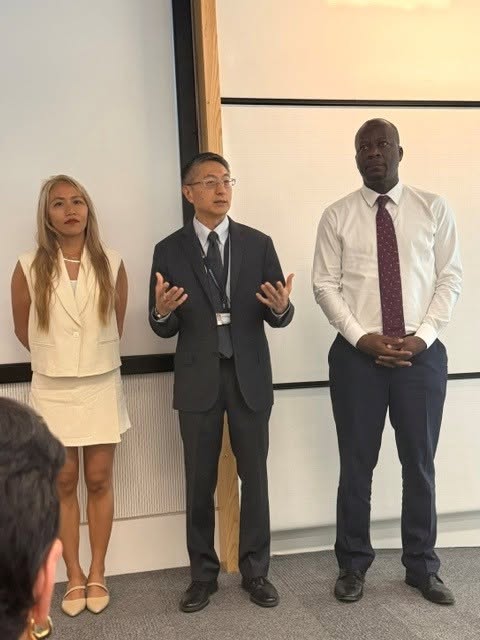 Throughout the residency, Fellows developed research projects designed to contribute to ongoing discussions within the UN and beyond. While focused on diverse aspects of peace and security, the projects shared a common goal: generating knowledge that can support more effective international responses to conflict and instability. The work produced during the programme is expected to inform future policy conversations and strengthen links between evidence-based research and operational decision-making.
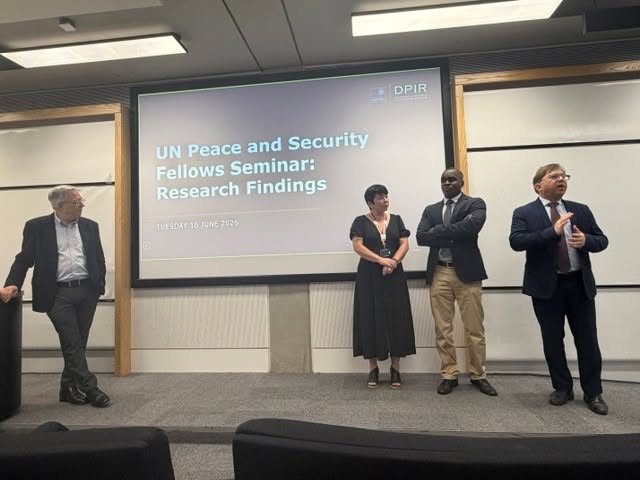
The seminar showcased the depth of expertise and practical experience our Fellows brought to the programme, generating rich discussion on the future of peace and security.
Sincere thanks
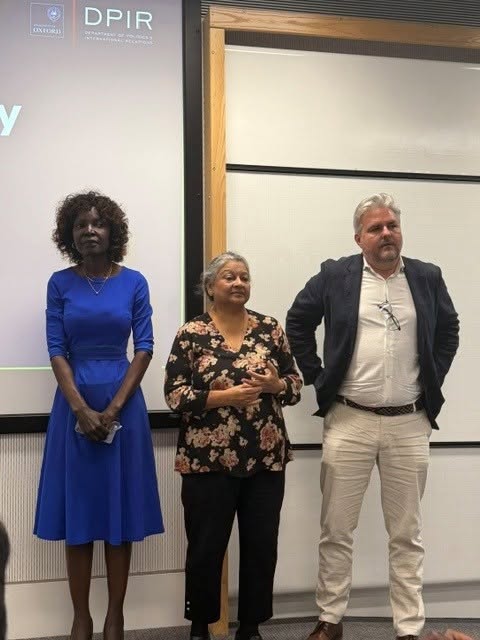
A sincere thank you to our ten outstanding UN Fellows – Daniel, Benjamin, Kym, Anees, Sheila, Adam, Milbert, Caihong, Harriet-Ariko and Ntagahoraho – for their dedication, insight and thought-provoking work throughout this inaugural programme.
We are grateful for their contributions and look forward to seeing how their ideas continue to shape policy and practice in the years ahead.
Read the latest Opinion Editorial Keep the Blue Helmets Ready — They Are Needed More Than Ever: by David Haeri, Director of the Division of Policy, Evaluation and Training in the UN Department of Peace Operations.