

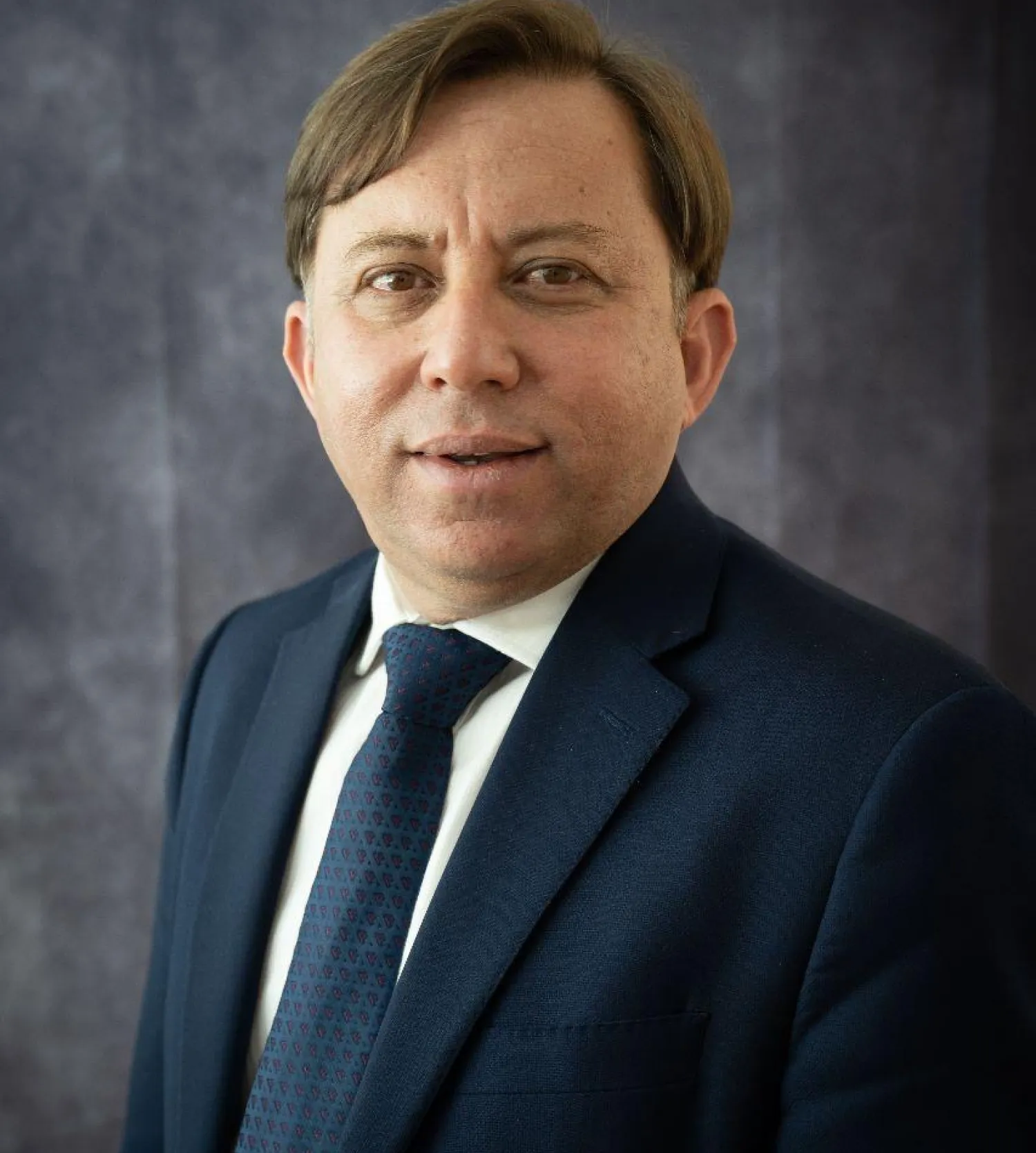
Anees Ahmed
The Department of Politics and International Relations welcomes Anees Ahmed to the first-of-its-kind UN Peace & Security Fellowship.
Research
Anees’ research examines how UN peace operations can better support accountability and the rule of law in conflict and post-conflict settings. It focuses on improving how serious human rights and humanitarian law violations are documented, investigated, and prosecuted, despite political and security challenges. Drawing on field experience and case studies, the study aims to produce practical recommendations to help UN missions strengthen justice institutions, reduce impunity, and support sustainable peace.
Interview
What motivated you to apply for and join the Fellowship?
After many years working in conflict and post-conflict settings, I felt the need to step back and reflect. The Fellowship offers a rare space to connect field experience with academic thinking. It brings together practitioners and scholars at a time when peace operations are under pressure to adapt. This made it a natural choice.
How do you feel about coming to Oxford to study here for eight weeks?
It is a privilege. Oxford has a long tradition of rigorous thinking in international law and politics. For me, this is an opportunity to pause, read, and write in a focused way, while engaging with colleagues across disciplines. I see it as a period of quiet work, but also of useful exchange.
What are you most looking forward to during the programme?
I am looking forward to structured conversations—both formal and informal. The value of the programme lies in dialogue: testing ideas, refining arguments, and learning from others working in different contexts. I also hope to use the time to produce a piece of work that is practical and grounded in field realities.
Could you tell us a little about your research and its aims?
My research looks at how United Nations peace operations support justice and the rule of law in conflict and post-conflict settings. It focuses on how serious crimes are documented, investigated, and brought to court, often in difficult political and security environments.
The aim is to identify what works in practice—across areas such as cooperation with international courts, support to national systems, and field-level initiatives like mobile courts and legal aid. The study draws on comparative experience from several missions and seeks to offer practical recommendations to strengthen accountability and reduce impunity.
In line with the Fellowship’s objective of linking policy and research, I hope the work contributes to ongoing discussions on how peace operations can remain relevant and effective in a changing environment.
Biography
Anees Ahmed is an international lawyer and senior United Nations official with nearly 30 years of experience in international criminal law, human rights, and rule of law reform.
He currently serves as Chief of Service for Rule of Law at the UN Mission in South Sudan, advising on justice and security sector reform and leading a large multidisciplinary team.
Over his UN career, he has held senior roles in conflict and post-conflict settings, including leading evidence management for investigations into ISIS crimes, supporting South Sudan’s peace process, and overseeing legal affairs in Liberia.
He has also worked at major international tribunals, prosecuting and advising on genocide and atrocity crimes, and began his career before the Supreme Court of India, while contributing globally to legal education and holding advanced degrees in law and engineering.