

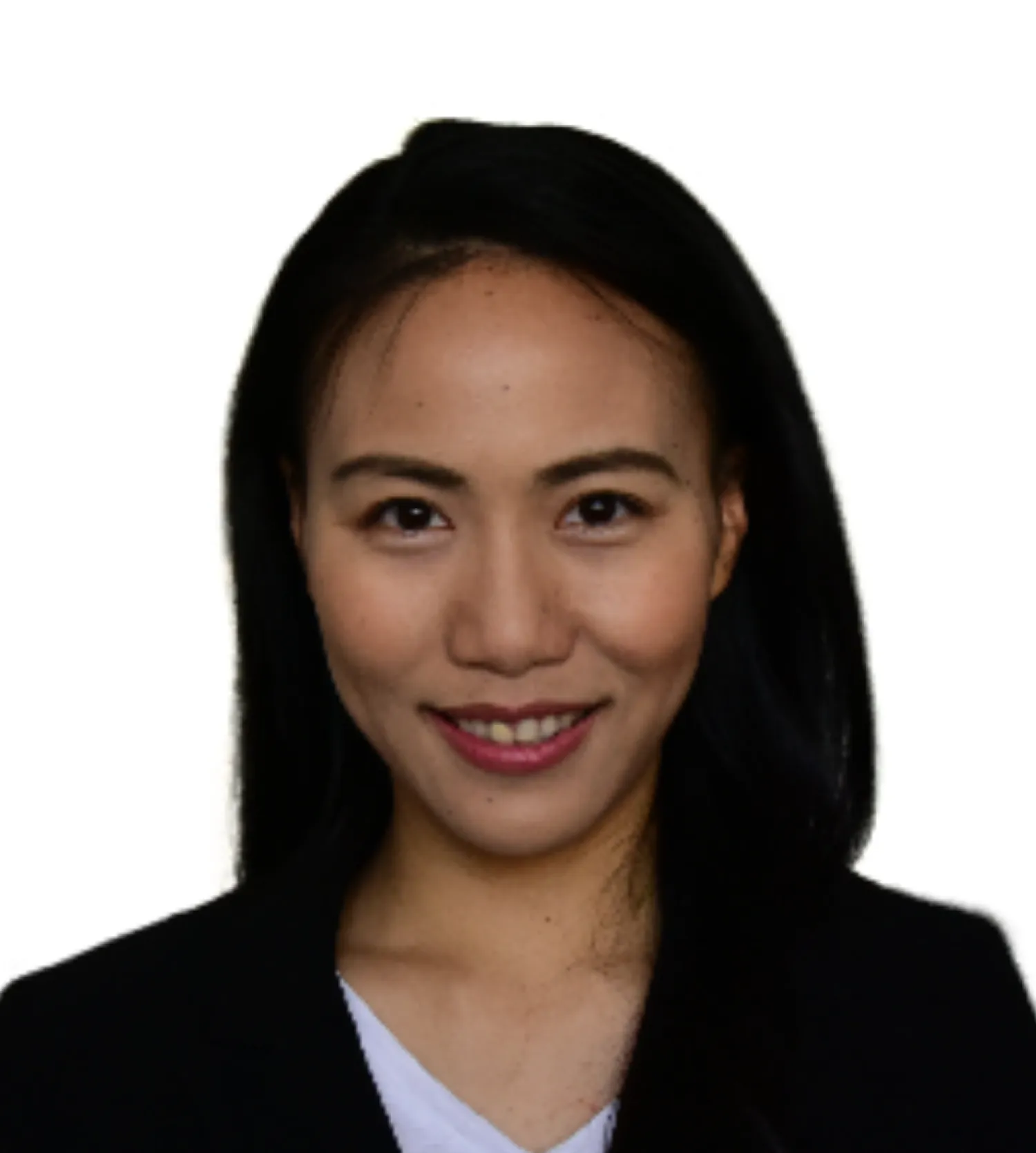
The Department of Politics and International Relations welcomes Caihong Wang to the first-of-its-kind UN Peace & Security Fellowship.
Research
Caihong’s research investigates how UN peace operations can strengthen preventative diplomacy by embedding data driven political analysis into decision making. It examines how political affairs related data, such as peace process developments and public messaging, is currently collected, stored, structured, analysed, and used across missions, and how or whether it helps shape leadership choices and strategic action. Drawing on mixed methods, including interviews, surveys, and case studies, and grounded in practical experience, the study identifies structural, cultural, and capability gaps that limit the effective use of data in political work.
It seeks to develop a practical and scalable framework to integrate analytics into political workflows, enhance data literacy among Political Affairs Officers, and support mission leadership with timely, actionable analysis. My research aims to produce policy relevant recommendations that contribute to a more anticipatory, adaptive, and analytically robust approach to peace operations, aligned with broader UN reform and prevention agendas.
Interview
What motivated you to apply for and join the Fellowship?
After several years working across UN peace operations and humanitarian contexts, I have seen both the growing availability of data and the persistent difficulty of using it meaningfully in political decision making. Much of my work has involved providing early warning analysis, advising mission leadership, and leading digital and data initiatives in complex environments such as South Sudan, Yemen, Somalia, and Haiti. The Fellowship appealed to me because it offers a rare opportunity to step back from operational pressures, reflect critically on practice, and engage with academic perspectives that can help bridge the gap between data, analysis, and action. I was particularly drawn to the Fellowship’s emphasis on practitioner led, policy relevant research and its explicit aim to connect field experience with strategic reform in peace operations.
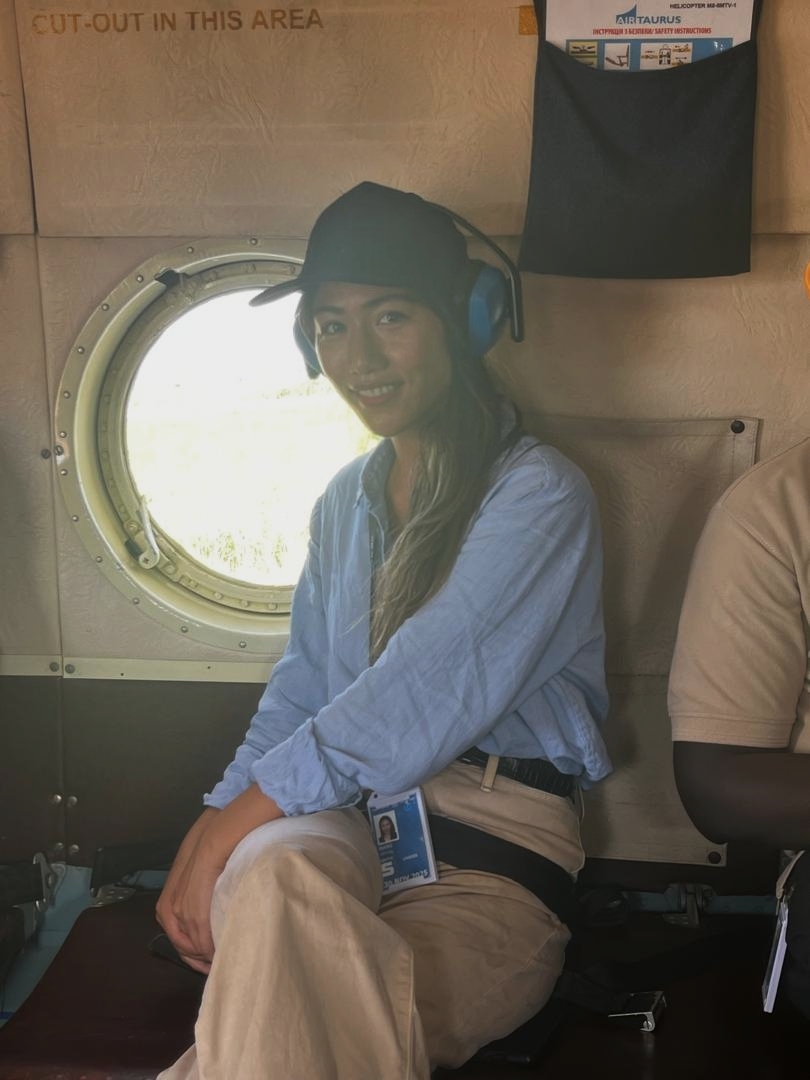 How do you feel about coming to Oxford to study here for eight weeks?
I am very much looking forward to coming to Oxford and being part of its academic community. Oxford provides a uniquely rich environment for thoughtful inquiry, debate, and intellectual exchange, and the chance to immerse myself in this setting is both exciting and energising. After many years working in fast moving and often crisis driven contexts, the opportunity to slow down, read, write, and engage with new perspectives is invaluable. I see the eight weeks not only as a time for focused research, but also as a chance to reflect on practice and think more creatively about the future of peace operations.
What are you most looking forward to during the programme?
I am most looking forward to the exchange between practitioners and scholars that the Fellowship is designed to foster. Engaging closely with academic mentors, participating in seminars, and learning from the diverse experiences of other Fellows will help sharpen my research and challenge some of my own assumptions. I am also keen to use this time to refine a piece of research that will, hopefully, be directly useful for UN missions. Beyond the formal programme, I look forward to being part of Oxford’s academic community and using the space to think more strategically about how peace operations can evolve.
Could you tell us a little about your research and its aims?
My research examines how UN peace operations can strengthen preventative diplomacy by integrating data driven political analysis into decision making. While missions collect large amounts of political and contextual data, this information often does not always translate into timely strategic choices or preventive action. Drawing on mixed methods, including interviews, surveys, and case studies, and grounded in practical experience, the study identifies institutional, cultural, and capability gaps that limit effective data use. The aim is to develop a practical and scalable framework that helps Political Affairs Officers and mission leadership better use data to anticipate political risks and support peace processes.
Biography
Caihong Wang is a political and data analytics professional with extensive experience in UN peace operations, humanitarian programmes, and international legal institutions. She currently serves as a Political Affairs Officer with the United Nations Mission in South Sudan (UNMISS), where she provides strategic political analysis, supports senior leadership decision-making, and leads digital transformation and data analytics initiatives.
Previously, she held analytical and advisory roles with UN missions in Yemen and Somalia, as well as programme and policy positions with the World Food Programme in Haiti and Italy, focusing on emergency response, humanitarian access analysis, and UN data strategy implementation. Earlier in her career, she worked with the UN Office for South-South Cooperation and in legal and judicial research roles in South Africa and with the UN Office on Drugs and Crime in Vienna, building on a background in law and journalism from Fudan University and other international institutions.