

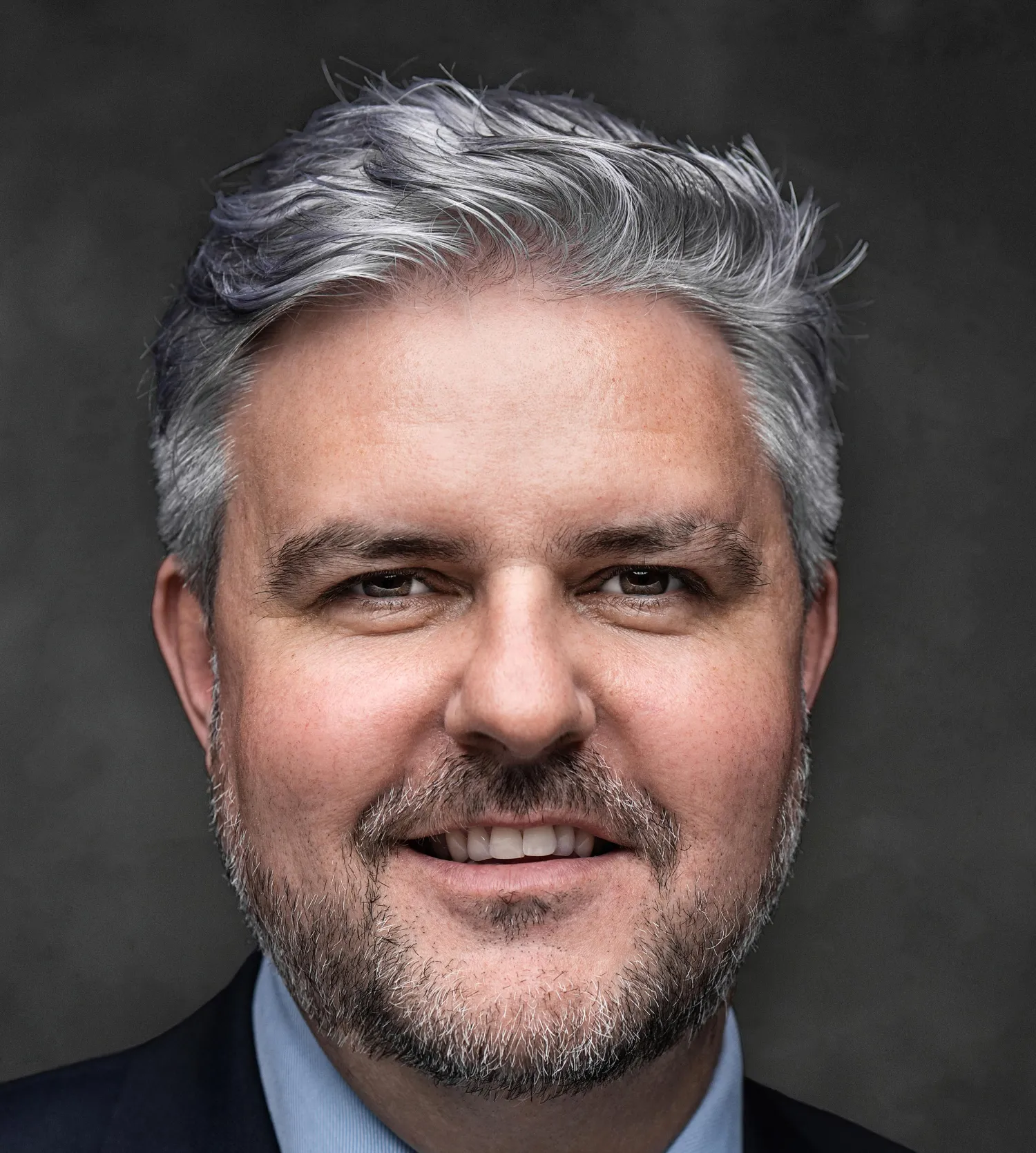
Image: YCK Fotografie
The Department of Politics and International Relations welcomes Daniel Maier to the first-of-its-kind UN Peace & Security Fellowship.
Research
Daniel’s research examines how UN peace operations can strengthen strategic planning to better link headquarters guidance, field realities, and long term political objectives. Using MONUSCO and comparable missions as case studies, it explores how to build consensus on “success criteria” for the responsible disengagement of peace operations, in the context of Security Council mandates and the ongoing Peace Operations Review. The study aims to provide practical recommendations to improve integrated planning, prioritisation, and learning across civilian, police, and military components, enhancing mission coherence and effectiveness. A specific focus will be the question how shared benchmarks — and the role of data and impact assessments that inform mandate review and resource decisions — shape transition processes, mindful of the risks of (premature) exits.
Interview
What motivated you to apply for and join the Fellowship?
I was motivated by the Fellowship’s explicit aim to bridge policy and practice—bringing UN field and HQ colleagues together with Oxford researchers to produce policy relevant work on peace operations in a rigorous academic setting.
DPIR’s research focus includes relevant aspects for peacekeeping practitioners, for instance the question about “measuring peace” or what may follow once UN-led peace operations leave? These are very important questions for field missions that I would like to better understand and discuss in Oxford’s unique academic setting.
After almost two decades across UN HQ and field contexts, I see this as a timely opportunity to step back from operational tempo and contribute to forward looking thinking on peace operations, especially at a moment of reform and evolving mandates.
How do you feel about coming to Oxford to study here for eight weeks?
I feel excited and grateful to spend eight weeks at Oxford in a setting designed for reflection, learning, and strategic engagement—exactly the kind of space practitioners rarely get while deployed.
I am also looking forward to immersing myself in DPIR’s intellectually vibrant environment, with academic mentorship and access to research resources that can strengthen the analytical foundations of my work.
What are you most looking forward to during the programme?
I am most looking forward to the structured exchange with Oxford-based researchers and a diverse cohort of practitioners, and to testing ideas through dialogue that links operational realities with comparative research and policy debate.
I am also keen to develop and present preliminary findings by the end of the residency —so the work remains both rigorous and usable for policy discussions.
Could you tell us a little about your research and its aims?
Serving as the Head of Strategic Planning in the UN Organization Stabilization Mission in the Democratic Republic of the Congo (MONUSCO) has allowed me to gain valuable experience in a multi-dimensional integrated peace operation and to participate in strategic assessments that have helped to shape strategic adjustments over time. Over the past ten years MONUSCO had to reconfigure and adjust its posture, manage multiple crises related to insecurity, pandemics, and liquidity directly impacting its operations and the lives of vulnerable populations.
My research examines how to build consensus on “success criteria” for the responsible disengagement of peace operations, in the context of Security Council mandates and the ongoing Peace Operations Review. The project focuses on how shared benchmarks—and the role of data and impact assessments that inform mandate review and resource decisions—shape transition processes, and on the risks of (premature) exits that prioritise timelines over conditions.
The aim is to produce practical outputs: a typology of success criteria across key mandated tasks (with a peace consolidation focus) and an assessment framework to support gradual, responsible transitions that reflect shared responsibilities among the Security Council, host nation, and the mission—aligned with a more transparent, people centred approach.
Biography
Daniel Maier is a senior United Nations official and strategic planning expert with over 20 years of experience in peacekeeping, crisis management, and international development. He currently serves as Chief of the Strategic Planning Cell with the United Nations Organization Stabilization Mission in the Democratic Republic of the Congo (MONUSCO) in Kinshasa, where he leads high-level planning processes, including the mission’s Disengagement Plan, and contributes to overall mission leadership.
He has held key roles within MONUSCO since 2011 in both Kinshasa and Goma, and previously worked with UNDP and UNOPS on crisis recovery, reconstruction, and electoral processes in post-conflict settings. Earlier in his career, he gained experience with European policy institutions and the German Red Cross.
Maier holds a Master’s in International Relations from the Free University of Berlin and has further specialized in climate change and development, with a career focused on advancing effective and accountable UN peace operations.