

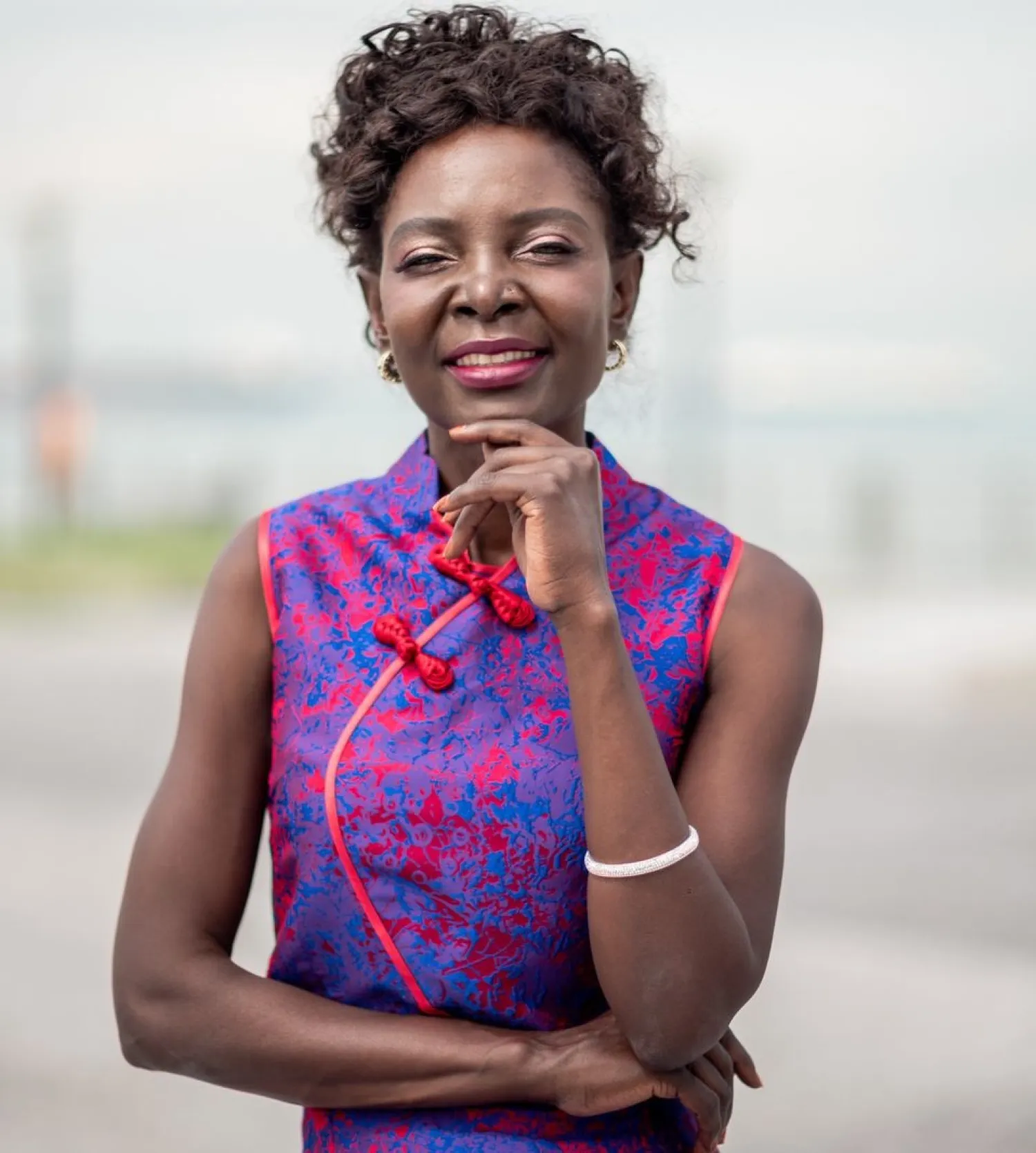
The Department of Politics and International Relations welcomes Harriet-Ariko Akiror to the first-of-its-kind UN Peace & Security Fellowship.
Research
Harriet-Ariko’s research seeks to enrich and expand the global Peace and Security framework by integrating supply chain and logistics analysis as a lens through which conflict economies can be understood and disrupted. Drawing on decades of international and national field experience, her work aims to establish supply chains and material flows not merely as neutral enablers of humanitarian response, but as potential facilitators and therefore levers of conflict.
Her research is structured around three guiding questions:
How do global and local supply chains contribute to the persistence of contemporary conflicts, particularly in Africa?
What resources and logistics networks most directly fuel conflict economies in fragile and conflict-affected states?
How can UN peacekeeping logistics integrate emerging technologies to improve transparency, accountability, and early warning, while addressing the accompanying ethical and governance challenges?
By harnessing advanced technology and real-time data, the research aspires to produce actionable insights and policy-relevant recommendations that can contribute meaningfully to lasting peace particularly across the African continent.
Interview
What motivated you to apply for and join the Fellowship?
This Fellowship represents a once-in-a-lifetime opportunity to bridge the gap between field practice and academia. My motivation was deeply personal: I wished to channel over two decades of lived experience in international conflict zones into research and policy that can genuinely make a difference. There is, in my view, no more fitting or prestigious platform than the University of Oxford to undertake this work.
How do you feel about coming to Oxford to study for eight weeks?
My feelings are a compelling blend of joy and quiet anticipation. The prospect of learning from and engaging with some of the world’s foremost scholars fills me with genuine excitement. At the same time, I approach the programme with the humility of someone who knows that great institutions invariably exceed expectation and I welcome that uncertainty as part of the experience.
What are you most looking forward to during the programme?
Above all, I look forward to immersing myself in the intellectual life of Oxford engaging with world-class professors, exchanging ideas with fellow researchers from across disciplines, and situating my fieldwork within the rigorous academic frameworks that only an environment like this can provide.
Could you tell us a little about your research and its aims?
My research draws on years of frontline operational experience in both international and national conflict settings to interrogate the role that supply chains and logistics play in sustaining conflict economies. It seeks to reframe material flows resources, goods, and networks as potential enablers of violence, and to identify technological and governance mechanisms through which greater transparency and accountability can be achieved. Ultimately, the work aspires to contribute tangible, evidence-based insights to the global Peace and Security agenda, with Africa at its heart.
Biography
Harriet-Ariko Akiror is a seasoned international development and peacekeeping professional with over 23 years of experience working in complex conflict environments across the globe.
A Ugandan national, she currently serves as a Supply Chain and Logistics Specialist with the United Nations Peacekeeping Operation in the Central African Republic, contributing to stabilisation and humanitarian efforts in one of the world’s most challenging contexts.
As a DPO–Oxford University Research Fellow, she bridges field practice and academic research, focusing on the critical role of supply chains and logistics in shaping conflict dynamics, particularly in Africa.
Her work draws on extensive frontline experience to examine how material flows can both sustain and disrupt conflict economies.
Harriet-Ariko holds an MBA from the University of Leicester and a BSc in Telecommunications Engineering from Kyambogo University, and is currently pursuing advanced studies in international relations and diplomacy at both Master’s and PhD levels.