

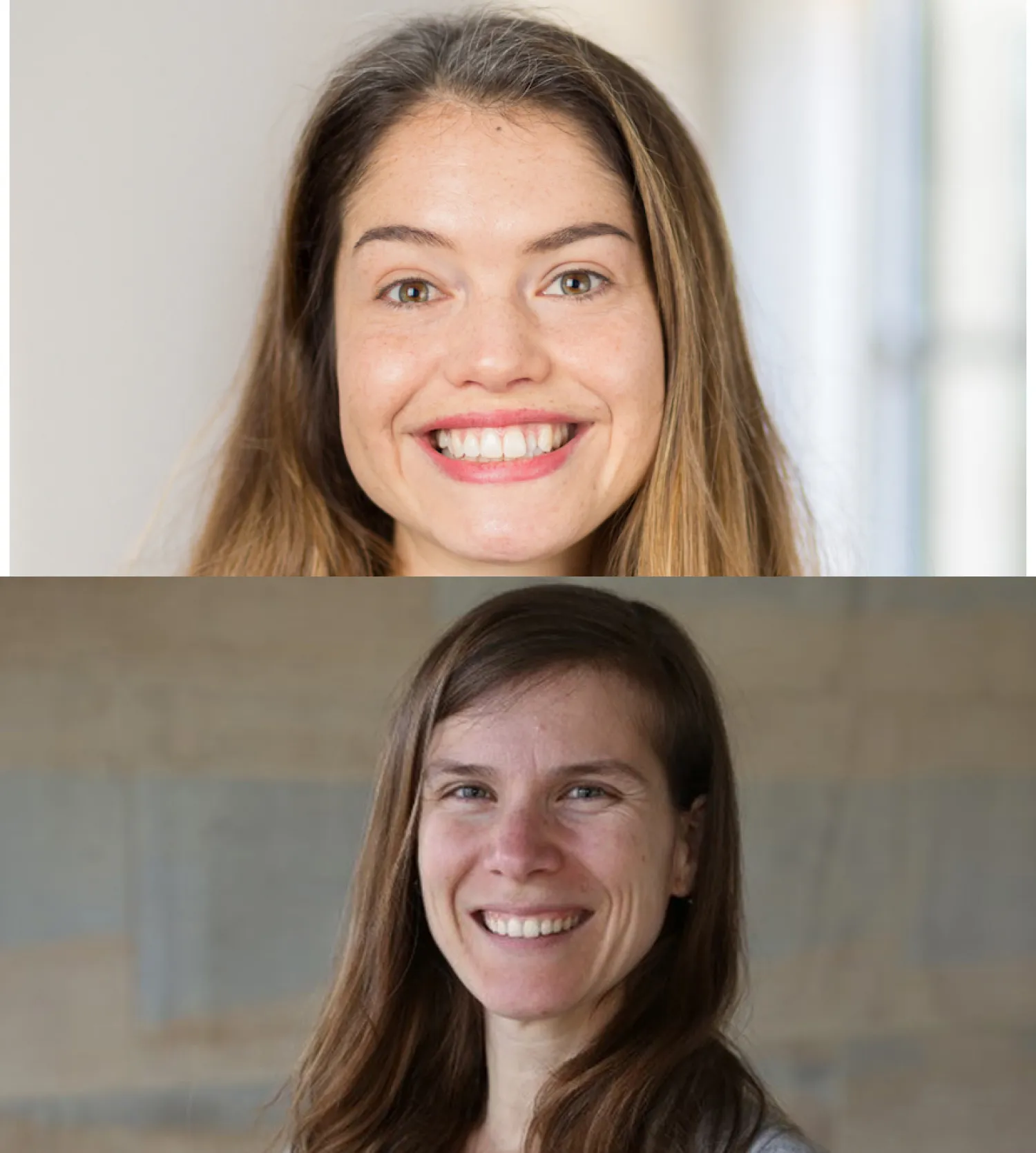
How would you describe the collaborative aspect of your student/supervisor relationship?
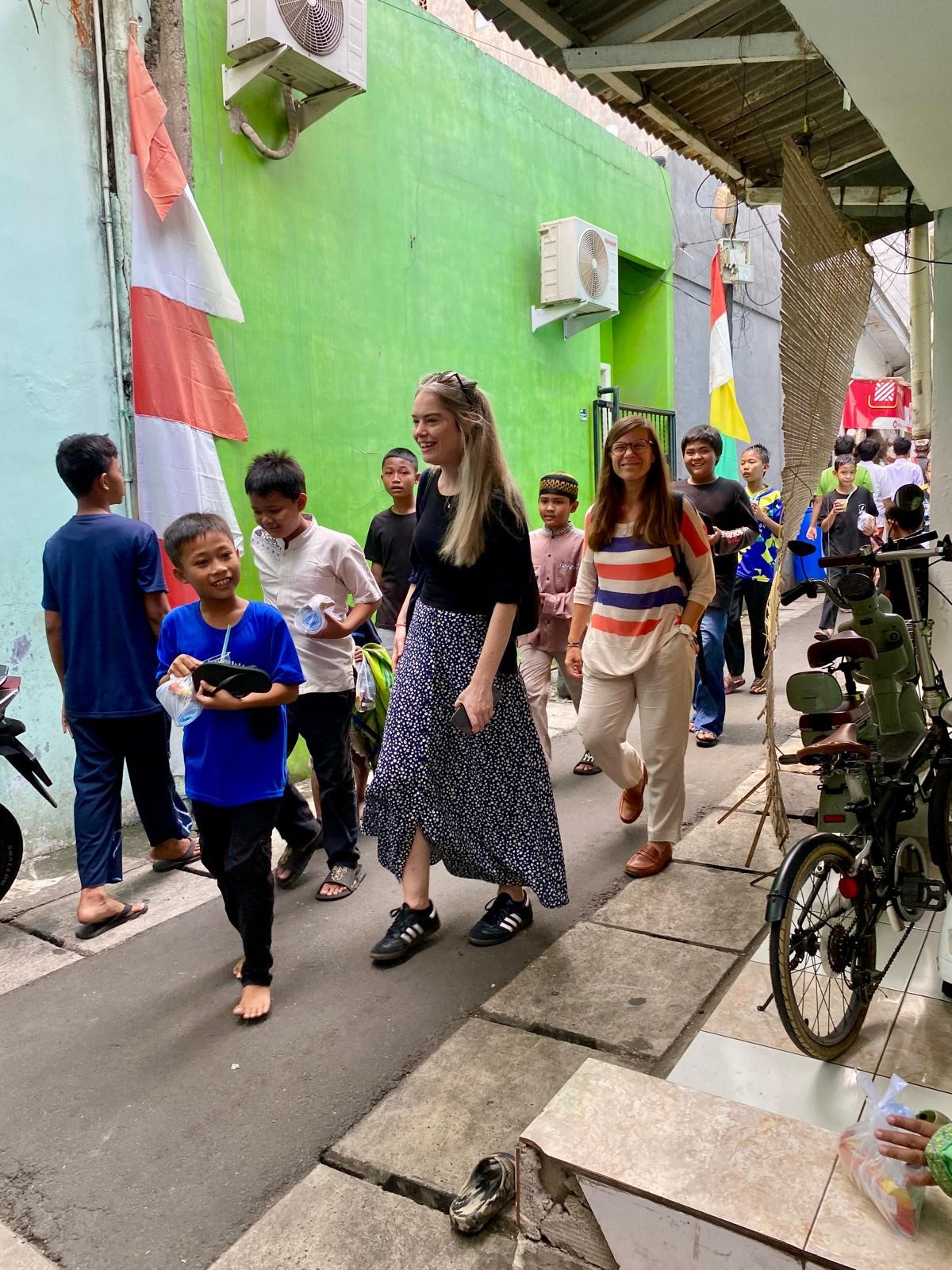
Hayley: Federica is a leader in the field of climate politics, and so having her as my PI means I get the benefit of learning from her, receiving mentorship, but also co-creating ideas. Federica combines a mixture of deep collaborative discussions with trust in us to execute tasks independently, and allows our team to update our ideas as we go. She welcomes new empirical or theoretical approaches but at the same time she is rigorous in testing and pushing me to think (and rethink!) what we’re doing. Some of my favourite moments of our collaborative work so far was our fieldwork experiences - where our team went from wading deep in the weeds of our database to exploring how that data manifested in some of our case study countries. All of the conversations we had after day trips, meetings, and interviews - where we brainstormed and grew around the project - have shaped me profoundly in the last year.
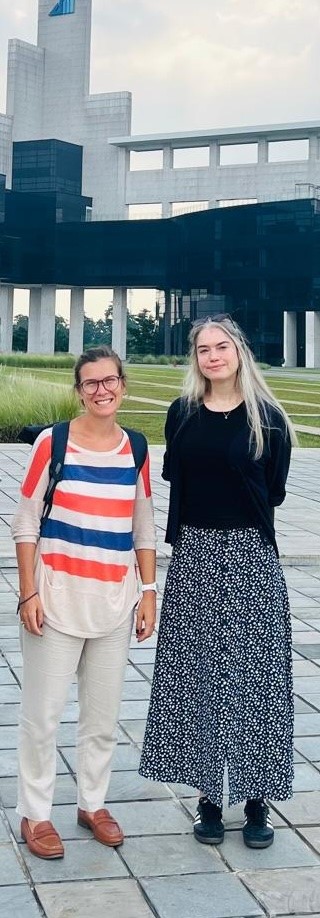 Federica: I generally like to make my work with junior colleagues the least hierarchic I can, and I highly value reciprocal trust and mutual respect in all steps of the intellectual journey. In the context of the project Hayley is embedded in, I provide intellectual guidance and practical mentoring, while the postdocs bring research creativity and methodological rigor. I’m especially proud of how Hayley has seized moments to evolve our project beyond its original scope—e.g., when Hayley pushed the agenda of our papers in new theoretical or empirical directions and confidently led ideas that are now shaping our broader research programme.
What impact does your student–supervisor collaboration have on your academic voice as a scholar or researcher?
Hayley: Collaborating with Federica has been very impactful in how I think about my own work as a researcher. Federica is exceptional on every front - but for our collaborations in particular, I’ve learnt from her how identifying, framing and communicating ideas is pivotal to the impact of your work. This is something that is not necessarily taught in graduate school, and it’s something I learnt from her and now see - in papers, in policy, in the world in general. It’s changed how I think about how to make evidence work and how to have impact. Federica also leads with a lot of passion, she cares deeply about climate change and the impact of her work, and that is what inspires everybody around her. I’m sure she would be embarrassed to read this but that, especially, has had the greatest impact on how I think about the kind of voice I want to have.
Federica: Working closely with Hayley has reminded me to keep my mind open and responsive to new questions that otherwise I would expect to see answered in the work of scholars of my generation. More personally, our collaboration has also reminded me of what it means to be a young woman in academia, and how productive it is as a woman to be in a welcoming team environment that is attentive to different scholarly and personal perspectives.
In what ways do you co create knowledge, ideas, or innovations?
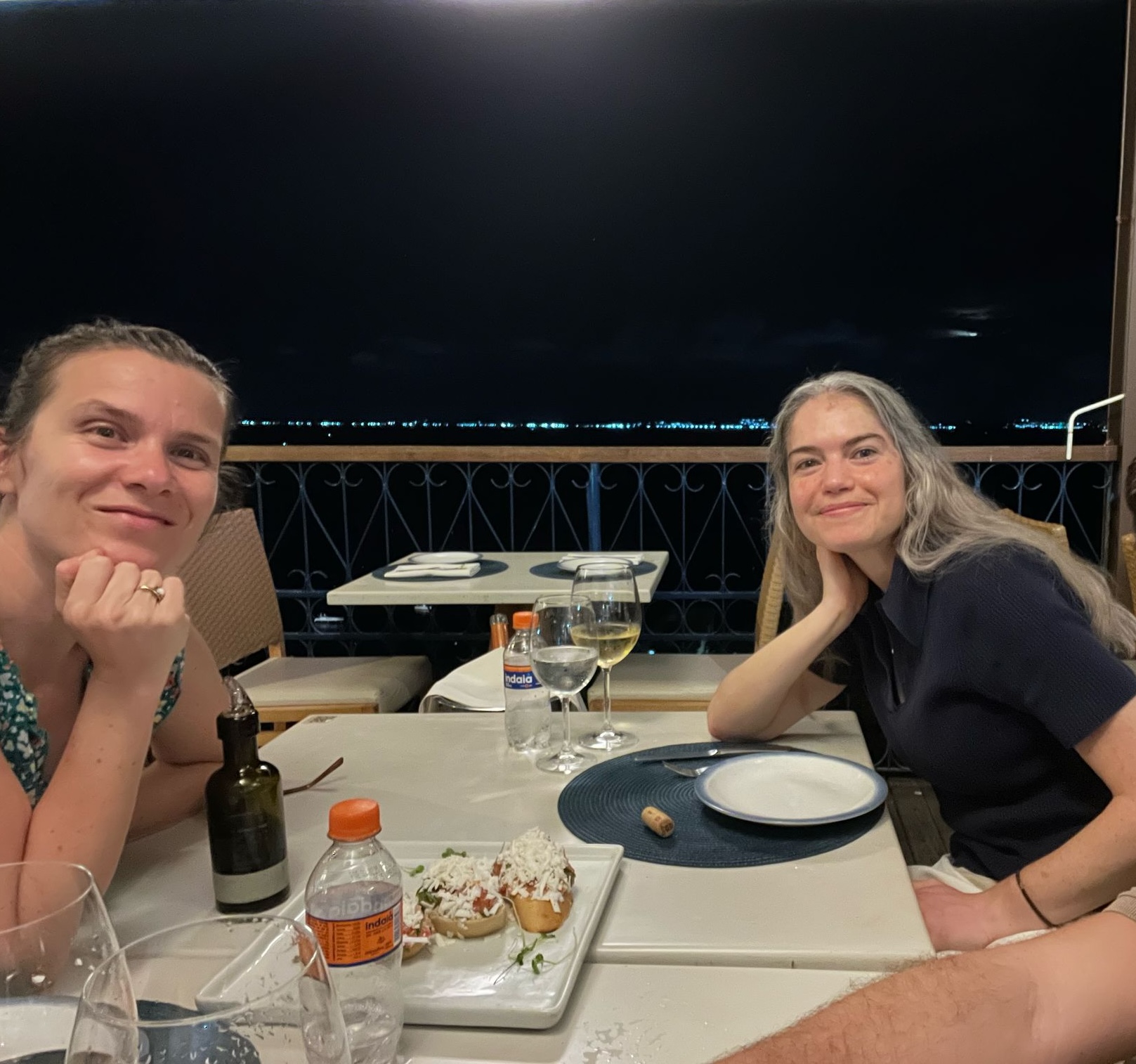 Hayley: Federica has fostered a fantastic intellectual environment for our team to co-create ideas and projects together. Federica leads the CVP and she has a wealth of experience and knowledge behind her and a vision for the project - but as ideas and papers develop there is space for each of us to push into new terrain, or test out a different idea, or even re-engineer our ideas and change direction. Federica is not afraid to question or try and falsify research. When we stumble onto new findings, or come up against feedback that suggests a different approach, she helps us embrace that and ultimately all of our projects are stronger for it.
Federica: I like to jointly develop research questions, iterate theories, and stress-test ideas together. Many of my projects emerge from shared brainstorming, and I have seen this happening vividly in my work with Hayley.
What have you learned from each other through working together?
Hayley: I’ve had the privilege of working collaboratively with Federica on many projects! To say I have learnt a lot from her would be an understatement. I watch how Federica juggles an incredible amount of exceptionally high-quality work - collaborations with our team, with others, and her own projects, teaching, grants… the list goes on for, literally, ever - and it is incredibly inspiring. Also daunting. I think “who could possibly handle all that work?” And she does! I have learnt how to push forward with complex projects, the value of commitment devices (and the pain!), how to frame and design high-impact work. I have also learnt that the success of our CVP and all of our projects is down to how Federica has set up our team - it’s an environment that I could summarise as ‘constructive, challenging, and ambitious.’
Federica: I’ve learned a great deal from Hayley’s intellectual independence and her ability to connect theory with real-world relevance. She is a no non-sense young academic! In turn, I hope I’ve offered a sense of scholarly confidence, the right amount of career encouragement, and a healthy level of enthusiasm to do research professionally.
 Looking to the future - what are you excited to explore, or achieve next — together or individually?
Hayley: I’m excited for all of our projects to come together - we’ve been working very hard for the last 2 years on really exciting and important work. I can’t wait for it to be out in the world and impacting the conversation around climate and the environment. I’m also excited to see how the rest of the project unfolds. I have always been deeply interested in policy-impactful work, and it’s exciting to know all of our projects have meaning outside of the academic world.
Federica: I’m excited to see Hayley continue to develop her own research agenda and scholarly identity in the climate politics research space. I am also looking forward to seeing the fruits of her new collaborative projects and supporting the next stages of her career. Together, I look forward to completing the Climate Vulnerability Project research that we both think is theoretically ambitious and policy relevant.
What hopes do you have for future generations of women scholars at DPIR?
Hayley: My hope is for other women scholars in the DPIR to also receive the same amount of encouragement, support, and push to do more. Good supervision and mentorship can change the direction of your life, and I hope other senior academics can learn from Federica in providing this for junior researchers, and young women scholars can seek this out. Similarly, I hope they’re not afraid to do things just because they’ve never been done before - interesting problems require interesting solutions. I’ve learnt that from Federica, and I hope future generations of women at the DPIR embrace that too.
Federica: My hope is that future generations of women scholars at DPIR experience an environment where ambition is encouraged, collaboration is valued, and mentorship is both rigorous and kind. I hope they feel empowered to embark in intellectual journeys even if they think they are risky, as long as they know that they are important. Climate politics in particular, and political science in general, needs more women like Hayley.
Find out more about Federica Genovese and Hayley Pring.