


Image: © Tom Weller Photography
Study with us at DPIR



Politics of Global Challenges – our new interdisciplinary one-year MSc
This new masters programme will integrate diverse theoretical perspectives across the disciplines, enabling students to make connections between political thought, empirical research, and policy. It aims to equip students with a deep understanding of pressing global problems, from climate change and global inequalities to the spread of populism and increasing conflict and insecurity.
We are holding Q&A sessions in October for prospective students to find out more, visit the course page to register!

Law, Governance and AI – Lead the governance of AI with our new MSc
The Department of Politics and International Relations in partnership with the Faculty of Law and CASSM, launches a new MSc in Law, Governance and AI.
The 12-month interdisciplinary programme will prepare the next generation of policymakers, regulators, and leaders to address one of the defining governance challenges of the 21st century: ensuring artificial intelligence is developed and used responsibly.



Student stories

Without DPIR funding I would not have been able to research important questions which – I believe – can help us protect democracy and its norms and which, therefore, have practical implications.
Without DPIR funding I would not have been able to research important questions which – I believe – can help us protect democracy and its norms and which, therefore, have practical implications.
Ekaterina Rebinskaya, DPhil student in Politics
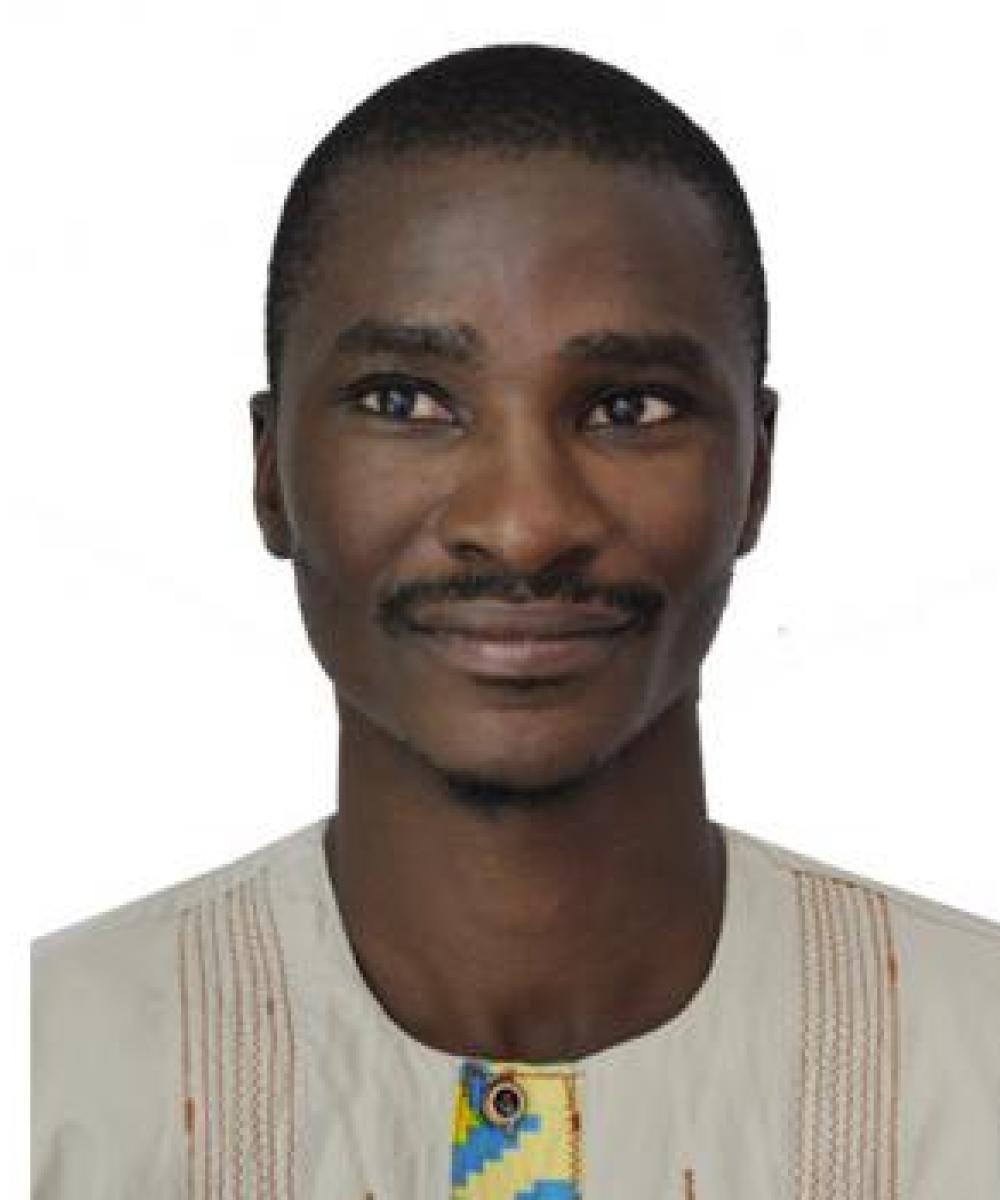
As an AfOx scholar, I am committed to advancing the practical realization of AfOx goals, particularly in Ghana. I am deeply concerned with reducing, if not eliminating, exclusionary behaviours and practices.
As an AfOx scholar, I am committed to advancing the practical realization of AfOx goals, particularly in Ghana. I am deeply concerned with reducing, if not eliminating, exclusionary behaviours and practices.
Ebenezer Agetiba, MPhil student in Comparative Government

DPIR’s funding has opened opportunities for my future academic career that would otherwise have been out of reach.
DPIR’s funding has opened opportunities for my future academic career that would otherwise have been out of reach.
Daniel White, DPhil student in Political Theory

The study of politics and international relations is endlessly creative, and there is a spot for everyone at DPIR – from the historically-minded archivists (like me!) to the quantitative game theoreticians (definitely unlike me!)
The study of politics and international relations is endlessly creative, and there is a spot for everyone at DPIR – from the historically-minded archivists (like me!) to the quantitative game theoreticians (definitely unlike me!)
Isabella Turilli, MPhil student in International Relations

DPIR has played a crucial role in shaping my research trajectory. The department has provided an environment that helped me refine my identity as an emerging scholar. It gave me a strong sense of which theoretical conversations my work should contribute to, and how it might speak to pressing real-world challenges.
DPIR has played a crucial role in shaping my research trajectory. The department has provided an environment that helped me refine my identity as an emerging scholar. It gave me a strong sense of which theoretical conversations my work should contribute to, and how it might speak to pressing real-world challenges.
Motasem Abuzaid, DPhil student in Politics

With an open research culture and world-class faculty, Oxford DPIR naturally became my target destination. I'm incredibly grateful to have been accepted and especially excited to be supervised by Dr Zenobia Chan, whose expertise in quantitative methods and international relations aligns closely with my interests.
With an open research culture and world-class faculty, Oxford DPIR naturally became my target destination. I'm incredibly grateful to have been accepted and especially excited to be supervised by Dr Zenobia Chan, whose expertise in quantitative methods and international relations aligns closely with my interests.
Bosco Hung, MPhil student in International Relations

DPIR combines scholarly excellence with real-world relevance. I have had the chance to publish peer-reviewed work, contribute to policy reports, and present my research at leading academic and policy forums. The mentorship and support have been instrumental to my growth as both a researcher and practitioner.
DPIR combines scholarly excellence with real-world relevance. I have had the chance to publish peer-reviewed work, contribute to policy reports, and present my research at leading academic and policy forums. The mentorship and support have been instrumental to my growth as both a researcher and practitioner.
Fikayo Akeredolu, DPhil student in Politics

I appreciate how intellectual advice and morale support - from professors, friends, and colleagues - are often just ‘one email away’. Research and thinking are exercises often done in solitude, while kindness and empathy are the fuel that keeps us going.
I appreciate how intellectual advice and morale support - from professors, friends, and colleagues - are often just ‘one email away’. Research and thinking are exercises often done in solitude, while kindness and empathy are the fuel that keeps us going.
Yang Han, DPhil student in International Relations:

DPIR brings together students and faculty from different backgrounds and disciplines, and I've learned a lot not only from formal teaching, but also from conversations with peers and through tutoring students.
DPIR brings together students and faculty from different backgrounds and disciplines, and I've learned a lot not only from formal teaching, but also from conversations with peers and through tutoring students.
Tiril Høye Rahn, DPhil student in International Relations:
This funding gave me the opportunity to conduct research in authoritarian politics and to specifically focus on propaganda and national identities.
This funding gave me the opportunity to conduct research in authoritarian politics and to specifically focus on propaganda and national identities.
Ekaterina Rebinskaya, DPhil student in Politics

The DPIR is an intellectually diverse community: there is a place for everyone, whether you are quantitative- or qualitative-leaning, and whether you are seeking to stay in academia or become a practitioner.
The DPIR is an intellectually diverse community: there is a place for everyone, whether you are quantitative- or qualitative-leaning, and whether you are seeking to stay in academia or become a practitioner.