
Climate interest stays high as news coverage fades, new RISJ report warns

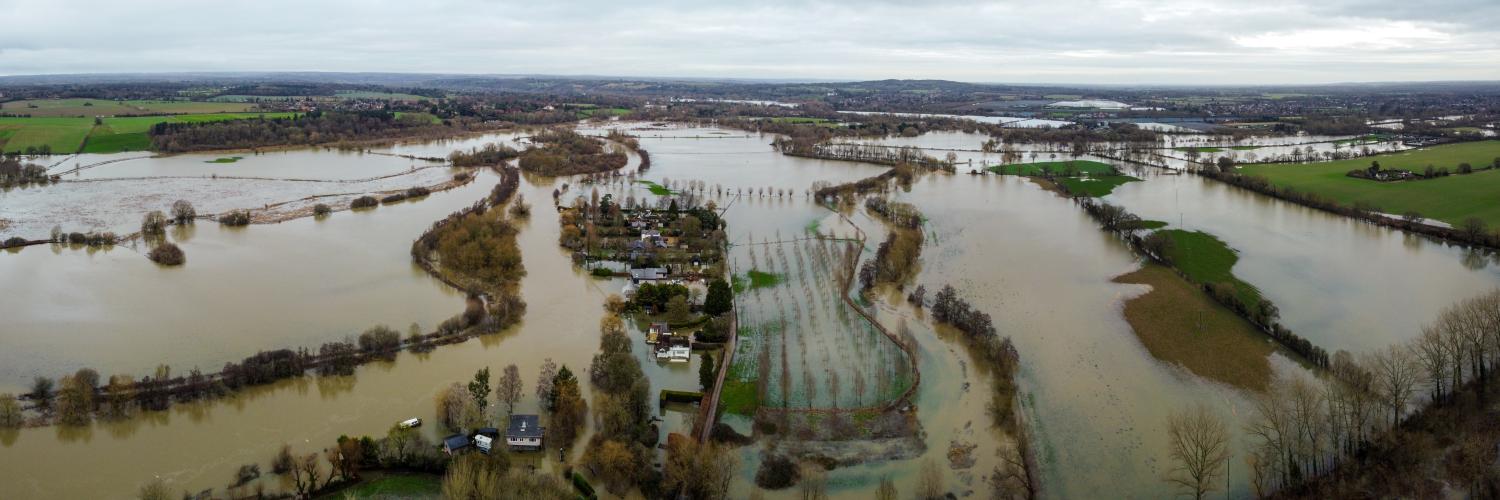
Amid mounting climate impacts and sluggish global action, a new report from the Reuters Institute for the Study of Journalism finds that public engagement with climate news remains largely stagnant — a continuation of what researchers call “climate perception inertia.”
Now in its fourth edition, the study - 'Climate change news audiences report 2025' - analyses four years of survey data from eight countries: Brazil, France, Germany, India, Japan, Pakistan, the UK, and the US.
This year, it also explores public views on political climate leadership, what audiences want from climate coverage, and how people perceive AI’s environmental footprint.
Despite the escalating urgency of the climate crisis, the report shows little overall shift in how people interact with climate information. While engagement patterns remain stable, some subtle changes are emerging, though unevenly across countries.
One of the most striking findings is a decline in climate news consumption in France, Germany, Japan, the UK, and the US. Use has held steady in Brazil, India, and Pakistan. Researchers attribute the drop mainly to shrinking TV coverage of climate issues and reduced consumption among people over 45. Younger audiences, as well as users of non-TV sources, maintain consistent engagement.
Yet interest in climate news remains resilient: most respondents still express strong curiosity about climate-related developments, suggesting that lower consumption may reflect a reduced supply of coverage rather than diminishing public concern. France and Germany are the exceptions, showing slight dips in interest since 2022.
Trust levels also remain relatively unchanged. Roughly half of respondents say they trust the news media for climate information, with trust highest in Pakistan (72%) and lowest in France (36%). Confidence in scientists continues to be robust — and growing — rising from 68% to 71% since 2022. Meanwhile, trust in politicians and political parties remains strikingly low at 23%, widening the trust gap between political and scientific sources by five percentage points over the past two years.
Overall, the report paints a picture of stable but stagnant public engagement: strong interest, steady trust in science, but declining access to climate information — particularly through traditional media — at a moment when the world can least afford it.
The report was written by Dr Waqas Ejaz, Postdoctoral Research Fellow at RISJ; Mitali Mukherjee, RISJ Director; and Dr Richard Fletcher, RISJ Director of Research and Deputy Director.
The Reuters Institute for the Study of Journalism is dedicated to exploring the future of journalism worldwide.