
Lauren Sukin publishes new article exploring who really shapes nuclear decision-making

Who really shapes nuclear decision-making? Are leaders’ preferences determined behind closed doors, or are they responsive to the opinions of their publics?
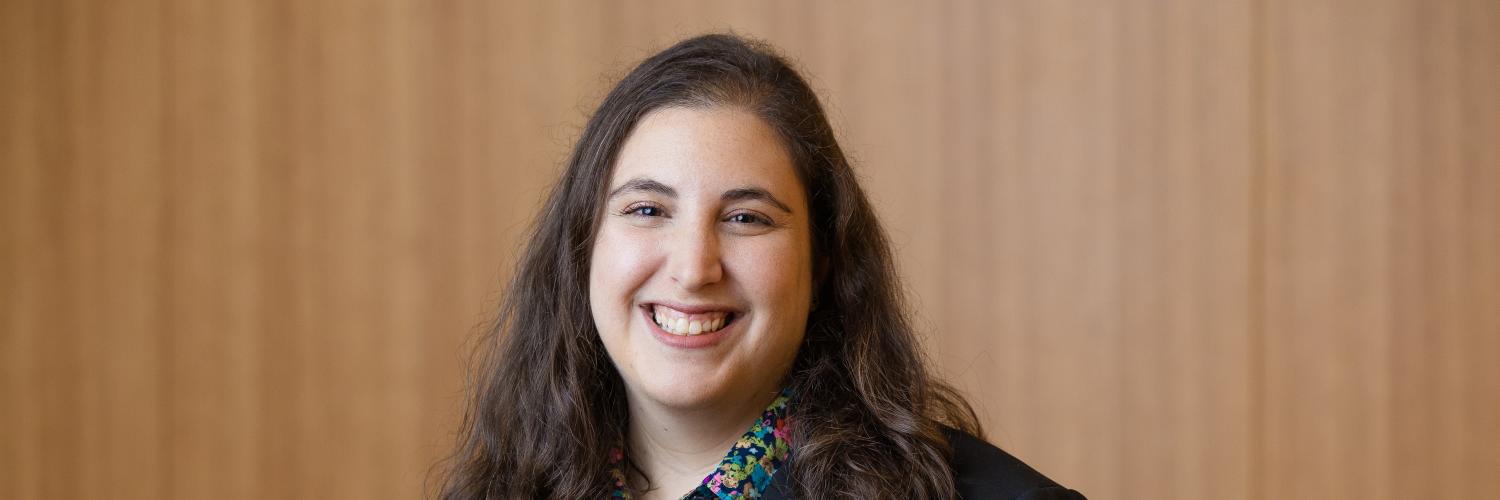
DPIR’s John G. Winant Associate Professor in US Foreign Policy Lauren Sukin has had an article published in the European Journal of International Security with co-authors Michal Smetana, Stephen Herzog, and Marek Vranka in which they address this question.
In ‘Atomic Responsiveness: How public opinion shapes elite beliefs and preferences on nuclear weapon use’ Lauren explores explores whether—and when—public opinion influences elite judgments about nuclear weapon use.
Drawing on original survey experiments with UK parliamentarians and US and UK government officials, it shows that public support can meaningfully sway elites’ willingness to endorse nuclear strikes, shape beliefs about leaders’ behaviour, and affect perceptions of nuclear deterrence—revealing public opinion as a powerful, if uneven, force in nuclear politics.
We caught up with Lauren to ask her more about the article and her work:
What is the key message you are trying to convey?:
There are three key implications of this work. First, because public opinion can meaningfully influence elite preferences on nuclear first use, scholars should treat public attitudes as a potentially consequential factor in nuclear decision-making rather than a peripheral concern. Transparent communication, public education, and norm-reinforcing messaging may therefore help constrain escalatory pressures.
Second, the weaker role of public opinion in nuclear retaliation scenarios indicates that once the nuclear taboo is broken, strategic and doctrinal considerations may dominate. The inability of the public to serve as a constraint in these scenarios underscores the need for robust crisis management mechanisms that could enable de-escalation.
Finally, we find that public support enhances the perceived credibility of nuclear threats by third-party observers. This suggests policymakers should recognise that domestic opinion can shape deterrence dynamics internationally—potentially strengthening deterrence but also increasing risks if publics become more hawkish.
What research methods did you use?:
This research uses survey experiments, conducted on elite samples. We investigate how US and UK policy professionals as well as UK MPs understand the role of the public in nuclear deterrence and nuclear credibility. Our research therefore lends insight into how crucial policymakers might act in a world of increasing nuclear threats.
Can you explain the importance of your findings?:
These findings are important because they demonstrate that decisions about nuclear weapon use are not insulated from domestic politics, even among highly informed policy elites. By showing that public opinion can shape elite preferences, beliefs about other leaders’ likely behaviour, and perceptions of deterrence credibility, the study challenges the assumption that nuclear policy is governed solely by strategic logic and expert judgment.
This underscores the real-world relevance of public attitudes for the stability of the nuclear taboo and for escalation dynamics in crises. Overall, the findings deepen our understanding of how democratic politics intersect with nuclear risk and why managing public opinion is integral to maintaining nuclear restraint and strategic stability.
How do you feel to have had this article published?:
I am excited to have this article published, as it raises important questions for the longstanding consensus that treats foreign policy in general—and nuclear policy in particular—as separate from the challenges of domestic politics. This work points to the entanglement of domestic and foreign policy decisions and shows that understanding today’s pressing nuclear security environment requires peering into the mechanisms that shape both public and elite perceptions of strategic risk.
What are you currently working on?
My current research agenda: 1) looks further into how domestic politics shapes nuclear credibility, and 2) investigates public opinion on nuclear proliferation, in a security environment of notable and growing global interest.
We now live in a world of increasing nuclear risk, from nuclear threats in the Russia-Ukraine War to China’s nuclear build-up, from resurgent interest in nuclear testing and nuclear proliferation to the dissolution of critical arms control measures and new challenges to strategic stability from emerging technologies. These risks are underscored by changing dynamics in U.S. domestics politics and an accompanying shift in US security commitments around the world. My work seeks to better understand how publics and leaders around the world understand and respond to this evolving nuclear security environment.